
REALTOR® Voice in Action: Advocacy in the Rooms Where Decisions Are Made in June 2026
Advocacy remained active throughout June as Longleaf Pine REALTORS® participated in state and federal legislative meetings and continued monitoring local policies affecting housing, development, infrastructure, utilities, and economic growth.
Through ongoing engagement with elected officials and community partners, LPR’s Government Affairs team works to ensure that the REALTOR® perspective is represented in conversations shaping the communities our members serve.
Taking the REALTOR® Voice to State and Federal Leaders
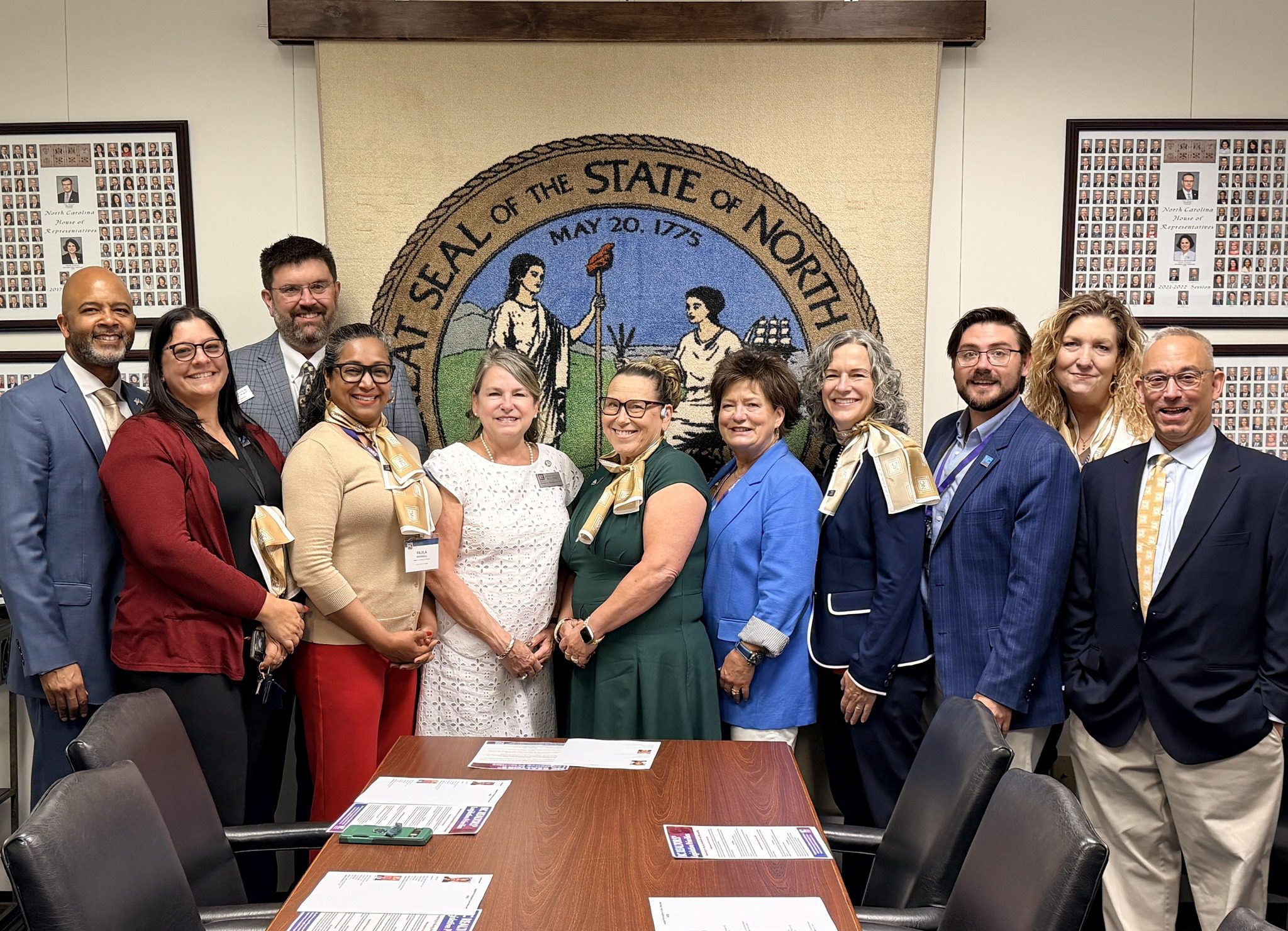
June included participation in both the NC REALTORS® Legislative Meetings and federal legislative meetings in Washington, D.C. These meetings gave REALTORS® an opportunity to speak directly with policymakers about the challenges facing property owners, housing providers, real estate professionals, and communities across North Carolina.
At the state level, housing availability and affordability remained central priorities. North Carolina is projected to face a housing shortage of more than 764,000 units over the next five years, creating significant challenges for first-time buyers, working families, essential workers, and employers seeking to attract and retain a strong workforce.
Federal discussions also focused on legislative priorities affecting real estate, property ownership, housing opportunities, and the broader economy. By participating in these meetings, REALTORS® help lawmakers understand how policy decisions affect consumers and local markets.
Supporting Solutions to North Carolina’s Housing Shortage
A major state legislative priority was Senate Bill 445, the Regulatory Reform Act of 2026. The proposal includes provisions intended to expand housing opportunities, reduce regulatory obstacles, and encourage residential development.
Among its housing-related provisions, the legislation would allow residential uses in certain commercial, business, or industrial zoning districts and require local governments to permit accessory dwelling units, or ADUs, in residentially zoned areas while establishing standards for their size and placement.
ADUs can provide flexible housing options for aging parents, adult children, caregivers, and members of the local workforce. They can also help communities make more efficient use of existing residential lots and infrastructure while giving homeowners additional financial flexibility.
Monitoring Local Data Center Policies
Data center development continued to be an important local policy issue in June. Cumberland County implemented a six-month moratorium on data centers, while the City of Fayetteville scheduled an August 10 public hearing to gather citizen input on future data center policies.
These discussions may influence land use, infrastructure planning, utility capacity, economic development, and surrounding property interests. LPR will continue monitoring the conversation to keep members informed as local governments consider how data center projects should be regulated.
Following Water Capacity and Conservation Measures
Water availability also remained an important regional concern. During June, both Hoke County and the Fayetteville Public Works Commission implemented Phase 1 water conservation measures.
Water capacity and utility policies can directly affect residential construction, development approvals, property use, and long-term community growth. Continued monitoring helps LPR remain aware of conditions that may affect REALTORS®, property owners, builders, and clients throughout the region.
Continuing the Conversation
From legislative meetings in Raleigh and Washington to local discussions about utilities and development, June demonstrated the importance of consistent REALTOR® engagement.
Longleaf Pine REALTORS® will continue working with elected officials, community leaders, and industry partners to support thoughtful policies that expand housing opportunities, protect property rights, and promote sustainable growth across our region.
Why This Matters to REALTORS®
Every meeting attended is an opportunity to:
- Stay informed on decisions affecting housing and development
- Build relationships with elected officials and community leaders
- Monitor infrastructure and policy issues that impact the market
- Keep REALTOR® voices represented before decisions are finalized
- Support smart growth and strong property rights across the region
When REALTORS® are present in these local rooms, they are better positioned to understand change, anticipate impact, and help shape the conversations that matter most. LPR remains committed to showing up, staying engaged, and ensuring the REALTOR® voice continues to be part of the decisions influencing our communities.e where decisions are made—so your voice is always part of the conversation.